

Tooth-colored or composite fillings are a modern restorative option that rebuilds teeth affected by decay while preserving a natural appearance. Made from a blend of resin and finely ground glass or ceramic particles, these materials are designed to mimic the translucency and shade of your enamel. The result is a repair that’s difficult to distinguish from the surrounding tooth structure, allowing you to speak and smile with confidence after treatment.
Composites are versatile: they can be used on front teeth where aesthetics matter most, as well as on posterior teeth when appropriate. Advances in bonding chemistry and filler technology have improved wear resistance and polishability, which helps composite restorations maintain a lifelike sheen over time. Because the material is applied in small increments and sculpted directly in the mouth, the final restoration can closely match the tooth’s contours and bite.
For many patients, composites strike a balance between durability and appearance. While they are not indestructible, when placed carefully and maintained with good oral hygiene they provide reliable function for years. Discussing material choices with your dentist ensures the selected option aligns with your oral health needs and aesthetic goals.
One of the primary benefits of tooth-colored fillings is the conservative approach they enable. Composite resin bonds to both enamel and dentin, which means less healthy tooth tissue needs to be removed during preparation. Preserving more of the natural tooth is important for long-term strength and can reduce the likelihood of further restorative work down the road.
Because the composite adheres directly to the tooth, it creates a tight seal that helps block bacterial infiltration at the margins of the restoration. This bonded connection also helps support remaining tooth walls, reducing the chance of fracture under normal chewing forces. In short, a well-placed composite filling reinforces the tooth rather than simply filling a void.
This material is also metal-free and mercury-free, which is important to many patients from both a health and cosmetic perspective. The absence of metal means there’s no dark line at the gumline, and the restoration blends seamlessly with adjacent teeth. If you have questions about material safety or suitability, your dentist can explain the science behind these options and recommend the best choice for your situation.

When a cavity is identified, the appointment typically begins with a careful assessment of the tooth and surrounding tissues. Local anesthesia is commonly used to ensure comfort while the decay is removed. For patients who feel anxious, sedation dentistry options can be discussed so treatment proceeds with as little stress as possible.
After anesthesia takes effect, the dentist will remove the decayed portion of the tooth and clean the area to prepare it for bonding. Composite resin is applied in thin layers and each increment is cured with a special light to harden the material. This layered approach minimizes shrinkage and allows the restoration to be shaped precisely to re-create natural contours and an even bite.
Most composite fillings can be completed in a single visit. Once the resin is fully set, the dentist will trim and polish the surface so it is smooth and comfortable. The entire team focuses on patient comfort and clear communication throughout the procedure, and the goal is to leave you with a restoration that both looks and functions like a natural tooth.
At Hilton Family Dentistry, we make time to explain each step and answer any questions before, during, and after treatment. Knowing what to expect can ease concerns and help you feel more confident about your care.
It is common to experience temporary numbness immediately after a filling due to local anesthesia. Avoid chewing until sensation returns to prevent accidental biting of the lips, cheeks, or tongue. Mild sensitivity to hot, cold, or pressure can occur for a few days as the tooth settles; this usually diminishes on its own, but your dentist can evaluate persistent or worsening symptoms.
Maintaining excellent daily oral hygiene is the most important factor in preserving a filling. Regular brushing with a soft-bristled brush, flossing to remove plaque at the margins, and routine dental checkups all help extend the life of restorations. During exams, your dentist will evaluate the integrity of fillings and watch for any signs of wear, leakage, or recurrent decay.
Eat and chew with reasonable care on newly restored teeth, especially if the filling was extensive. Avoid habits that stress teeth, such as opening packages with your teeth or chewing very hard objects. If you notice rough edges, a persistent bite problem, or unusual sensitivity, contact the office so the restoration can be checked and adjusted if necessary.

While composite fillings are ideal for many cavities, there are situations where an alternative restoration may be more appropriate. Large areas of decay, significant tooth fracture, or extensive previous restorations can compromise the remaining tooth structure to the point where an inlay, onlay, or crown provides better long-term protection. These indirect restorations are fabricated outside the mouth and offer enhanced strength for teeth under heavy functional loads.
In some cases, decay may have progressed near the tooth’s nerve, requiring endodontic evaluation. A root canal treatment followed by a protective restoration can save the tooth and restore normal function. Your dentist will assess the extent of damage, review imaging if necessary, and discuss realistic options for restoring both health and function.
Decisions about replacements for failing fillings, upgrades from older materials, or transitions to more protective restorations are based on clinical findings and patient priorities. Open communication with your dental provider ensures that the chosen approach aligns with your oral health goals and long-term prognosis.
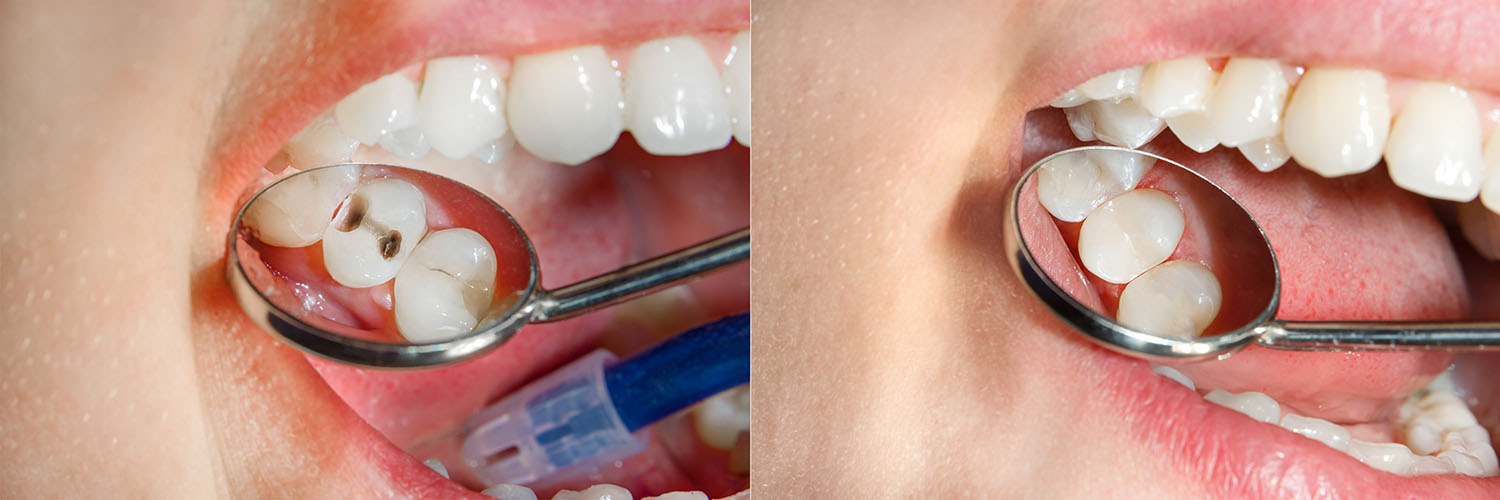
A carefully placed filling should feel comfortable, restore chewing function, and blend naturally with your smile. If you have questions about materials, procedures, or what to expect from restorative care, our team is available to explain the options and help you make an informed decision.
In summary, contemporary tooth-colored fillings offer a conservative, aesthetic way to treat cavities and restore teeth. By bonding to the tooth, preserving healthy structure, and providing a lifelike appearance, composite restorations are a reliable choice for many patients. Contact us for more information about fillings and which restorative option is right for you.


Tooth-colored composite fillings are a restorative material made from a resin matrix combined with finely ground glass or ceramic fillers that mimic the color and translucency of natural enamel. The material bonds chemically to enamel and dentin, allowing the dentist to restore the tooth with minimal removal of healthy structure. Composites are placed in thin layers and cured with a special light so the restoration can be shaped to match the tooth's contours and bite.
Because they blend with surrounding teeth, composite fillings are commonly selected when appearance matters, such as on front teeth, but they are also appropriate for many posterior restorations. Modern bonding systems and filler technologies have improved wear resistance and polishability, helping restorations maintain a lifelike sheen. The bonded connection helps seal margins and support remaining tooth walls, reducing the risk of future fracture when the restoration is properly maintained.
Composite fillings are recommended when a conservative, aesthetic restoration is desired and sufficient tooth structure remains to support a direct restoration. They are an excellent choice for visible areas because they can be shade-matched and finished to blend with adjacent teeth, and they are often used for small to moderate cavities on both front and back teeth. Dentists also favor composites when preserving as much healthy tooth as possible is a priority, since bonding allows for more conservative preparations.
For very large restorations, teeth with extensive prior restorations, or when maximum strength is required, an indirect restoration such as an inlay, onlay, or crown may be a better long-term solution. Your dentist will evaluate the size of the defect, the remaining tooth structure and functional demands to determine the most appropriate material. Clinical judgment and patient goals guide the final recommendation to balance durability and aesthetics.
At the start of the appointment the dentist will assess the tooth and surrounding tissues and typically administer a local anesthetic to ensure comfort while the decayed material is removed. Once anesthesia takes effect, the decay is gently excavated and the cavity is cleaned and prepared for bonding; the composite is then placed in thin increments and hardened with a curing light. The layering technique minimizes shrinkage and allows the dentist to sculpt the restoration to re-create natural anatomy and a comfortable bite.
The dentist will trim, finish and polish the finished filling so it is smooth and comfortable, and the team will review postoperative care instructions before you leave. If you experience anxiety about treatment, discuss sedation options with the team to help you remain relaxed during the procedure. At Hilton Family Dentistry we make time to explain each step and answer questions so patients leave informed and comfortable about their care.
Local anesthesia is typically used during a filling to numb the area so patients do not feel pain while the decay is removed and the restoration placed. Some pressure or vibration can be felt during treatment, but active pain is uncommon with adequate anesthesia; patients who are particularly anxious can discuss additional comfort measures with the dental team. After the anesthetic wears off, it is normal to experience mild soreness at the injection site or around the treated tooth for a short period.
Transient sensitivity to hot, cold or biting pressure is common for a few days as the tooth settles and the surrounding tissues recover, and it usually diminishes on its own. If sensitivity persists beyond a couple of weeks, worsens, or is accompanied by swelling or severe pain, contact the office for an evaluation so the dentist can determine whether adjustment or further treatment is needed. Your dentist will review expected sensations and provide guidance on managing temporary discomfort.
Good daily oral hygiene is the foundation for preserving any restoration — brush twice daily with a soft-bristled brush, floss daily to remove plaque at the margins, and use any additional home-care products recommended by your dentist. Avoid chewing very hard objects or using teeth to open packages, as these habits place excessive stress on restorations and natural teeth. If a newly placed filling feels high or interferes with your bite, contact the office so the dentist can adjust the occlusion to prevent long-term wear or fracture.
Regular dental examinations and professional cleanings allow your dentist to monitor the integrity of fillings, detect early signs of wear or leakage, and recommend timely maintenance or replacement when needed. If you grind or clench your teeth, discuss protective measures such as a night guard to reduce stress on restorations. Consistent preventive care and prompt attention to changes help extend the functional life of composite fillings.
Composite fillings can last many years when placed correctly and maintained with good oral hygiene, but longevity varies depending on factors such as the size and location of the restoration, chewing forces, and individual habits like grinding. Smaller, well-bonded restorations in low-stress areas tend to perform longer than large restorations in high-load regions where forces are concentrated. The quality of the initial preparation and placement, including proper isolation and layering, also plays a major role in long-term success.
Regular dental checkups allow the dentist to assess wear, marginal breakdown or recurrent decay so issues can be addressed early before they compromise the tooth further. Diet, oral hygiene, and parafunctional habits influence how quickly a restoration may wear or fail, and protective measures can be recommended when risk factors are identified. Discussing realistic expectations with your dentist helps you understand what to watch for and how to preserve restorations effectively.
Fillings are ideal for small to moderate cavities, but when decay is extensive, when a tooth has a large fracture, or when multiple restorations have weakened the remaining structure, an indirect restoration such as an inlay, onlay or crown may be a better long-term choice. These restorations are fabricated outside the mouth and provide greater strength and coverage for teeth under heavy functional demands. When decay approaches the nerve or there is persistent pain, endodontic evaluation and treatment may be required before placing a protective restoration.
The dentist will review imaging and clinical findings to determine whether a direct filling will provide predictable longevity or if a more protective restoration is appropriate to preserve the tooth. Treatment planning balances conservation of tooth structure with the need for durable protection, and the decision is made with input from the patient about function and aesthetic priorities. Open communication helps ensure the recommended approach aligns with each patient’s oral health goals.
The choice between a filling, inlay, onlay or crown depends on the amount of remaining tooth structure, the location of the defect, occlusal forces and the long-term prognosis for the tooth. Direct fillings are used when enough healthy tooth remains to support the material, while inlays and onlays offer a more conservative indirect option for moderate defects that require additional strength. Crowns are recommended when the tooth is significantly weakened or fractured and needs full-coverage protection to restore function and prevent further damage.
Imaging, intraoral examination and evaluation of the patient’s bite and habits guide the clinical decision, and the dentist will explain the rationale for the recommended restoration. Indirect restorations are fabricated in a laboratory or milled in-office and are bonded or cemented to the tooth to provide enhanced durability. The chosen option aims to balance preservation, longevity and aesthetic outcome for each individual tooth.
Sensitivity after a filling is common and usually temporary as the tooth adjusts; it can result from the removal of decay, the bonding process, or minor irritation to the nerve during treatment. Sensitivity typically improves within days to a few weeks, and over-the-counter pain relievers, desensitizing toothpaste, or a short period of gentle care often provide adequate relief. If sensitivity is severe, persistent, or worsens with time, the dentist should evaluate the restoration to check for high bite, leakage, or other issues that may require correction.
Preventive measures include careful occlusal adjustment to eliminate bite interference and the use of desensitizing agents or protective sealants when appropriate. In cases where sensitivity indicates deeper nerve involvement, further treatment such as root canal therapy may be necessary to preserve the tooth. Communicating any unusual sensations promptly allows the dental team to address the cause and protect oral health.
Yes, composite resin and glass ionomer are common metal-free filling materials that provide aesthetic and functional benefits for many patients. Composite resin offers excellent color matching and can be polished to a natural sheen, while glass ionomer releases fluoride and can be useful in certain situations such as small cavities near the gumline or for patients with dry mouths. The absence of metal eliminates dark margins and provides a more natural appearance, which is important for visible restorations.
Material selection is based on the clinical situation, patient preferences and the functional demands of the tooth, and your dentist will explain the advantages and limitations of each option. If you have questions about materials or biocompatibility, ask your provider so they can review the scientific basis and recommend the best choice for your smile. The practice strives to use contemporary, evidence-based materials to achieve durable, attractive results for patients at Hilton Family Dentistry.

Have questions or ready to book?
Reach out to Hilton Family Dentistry today. Our team is ready to assist with scheduling and treatment inquiries via phone or our online form. Let’s start working on your smile together.
We look forward to hearing from you and making your visit as easy and comfortable as possible. Our team is committed to providing prompt responses and attentive support for all your dental care needs.
