

At Hilton Family Dentistry, our first priority is to protect your long-term oral health while keeping you comfortable and informed. Tooth removal is never recommended lightly; it becomes an option when preserving the tooth would compromise surrounding structures, overall function, or patient wellbeing. We approach each case with careful evaluation, thoughtful planning, and a focus on minimizing stress for the patient.
Every extraction begins with a clear explanation of why it is necessary and what alternative treatments were considered. Our team takes the time to review your medical and dental history, assess current symptoms, and explain how removal will affect the bite, adjacent teeth, and future restorative options. Clear communication helps patients make confident decisions about their care.
Below are the typical reasons a tooth may need to be removed. These categories cover both pediatric and adult concerns and explain how removal can protect development, prevent further infection, or simplify treatment planning.
Persistently retained baby teeth that interfere with permanent tooth eruption
Most primary (baby) teeth fall out on schedule as permanent teeth push through. Occasionally a primary tooth remains firmly in place because its root did not resorb or the tooth has become fused to the jawbone. When a retained baby tooth prevents normal development or alignment, careful removal can allow the permanent tooth to erupt and help avoid orthodontic complications.
Permanent teeth with extensive decay that cannot be restored
Untreated cavities can progress from the outer enamel into deeper layers of the tooth, eventually compromising structure and the tooth's nerve. When there is not enough healthy tooth left to support a restoration, extraction is considered to eliminate infection risk and preserve the health of surrounding teeth and tissues.
Severely fractured or cracked teeth that are beyond repair
Teeth can sustain a range of injuries from small chips to catastrophic fractures that split the root or make restoration impractical. If the breakage extends below the gum line or into the root system, extraction may be the safest route to prevent chronic pain or recurrent infection.
Teeth affected by advanced periodontal disease
When gum disease has caused significant loss of the bone and soft tissue that support a tooth, the tooth can become mobile and nonfunctional. In advanced cases, extraction may be necessary to stop the spread of disease and to create a healthier environment for remaining teeth.
Wisdom teeth that are impacted, decayed, or causing crowding
Third molars often develop without enough room, leading to impaction, infection, or damage to neighboring teeth. Removing troublesome wisdom teeth—often in young adults before problems escalate—can prevent pain, recurrent infections, and future orthodontic or restorative challenges.
Extractions as part of orthodontic planning
In some orthodontic treatment plans, removing one or more teeth creates the space needed to achieve proper alignment and a stable bite. Extractions for orthodontic reasons are planned collaboratively with the orthodontist to support predictable, long-term results.

Our approach to extractions begins with a thorough assessment and personalized planning. We review your medical history, current medications, and any conditions that could affect healing. When appropriate, we coordinate with your physician and may recommend pre-operative steps to ensure a safe, well-managed procedure.
Diagnostic imaging plays a critical role in planning. We use digital radiographs to evaluate root form, the position of surrounding structures, and any anatomical features that could influence the technique. That information helps us determine whether a straightforward removal is possible or if a surgical approach will be safer and more effective.
Comfort and anxiety management are central to the experience. Local anesthesia reliably numbs the site, and for patients who feel especially nervous or for more complex procedures, we offer options in sedation dentistry to help you stay relaxed. We explain all choices so you can select the level of comfort that fits your needs.
A simple extraction is typically performed when a tooth is fully visible in the mouth and the roots are straightforward. After numbing the area, your dentist gently loosens the supporting tissues and removes the tooth with forceps. The procedure is usually quick, and most patients experience only brief discomfort afterward.
A surgical extraction is used for teeth that are broken at the gum line, ankylosed (fused to bone), impacted, or otherwise inaccessible. This procedure may involve a small incision, removal of a bit of bone, and sectioning the tooth for safer removal. For complex cases, we may refer you to an oral and maxillofacial surgeon who specializes in surgical extractions and advanced sedation.

Healing times vary by patient and by the complexity of the extraction, but most people recover comfortably when they follow basic post-operative instructions. We provide tailored guidance after every procedure and schedule follow-up visits when stitches, infection risk, or bone healing require monitoring. If your medical history suggests extra precautions, we coordinate care with your physician.
In general, the first 24–72 hours are the most important for establishing a stable blood clot and limiting swelling or bleeding. Careful attention to activity, diet, and oral hygiene during this period helps minimize complications like dry socket and supports predictable healing.
If you notice unusual symptoms—such as prolonged heavy bleeding, worsening pain after the first few days, fever, or a persistent bad taste—contact us promptly so we can assess your healing and intervene if necessary.
Keep pressure on the site as directed
We will place gauze over the extraction site and ask that you bite gently but firmly to help form a clot. Replace gauze as instructed and avoid dislodging the clot during the first day. Minor oozing can be normal for up to 24 hours; persistent heavy bleeding should be reported.
Protect numb areas
Until the local anesthetic wears off, take care not to bite your lips, cheeks, or tongue. The temporary numbness can make the area vulnerable to accidental injury.
Follow medication instructions
Antibiotics:
If prescribed, take the full course exactly as directed to help prevent or manage infection.
Pain relief:
Taking a pain reliever before numbness fully fades can reduce discomfort. Use over-the-counter or prescription medications only as instructed.
Avoid actions that dislodge the clot
Do not rinse forcefully, spit, use a straw, or smoke during the initial healing phase. These actions can remove the protective clot and delay healing.
Use cold to control swelling
An ice pack applied intermittently over the cheek can reduce swelling and discomfort during the first 24 hours. Apply for short intervals as recommended.
Put smoking and tobacco on hold
Tobacco use interferes with blood clot formation and tissue repair. Avoid smoking and other tobacco products for at least the first week after extraction.
Choose gentle foods and stay hydrated
Stick to cool, soft foods and avoid hot, spicy, or carbonated beverages initially. Maintain good hydration and gradually reintroduce regular foods as comfort allows.
Continue careful oral hygiene
Keep the mouth clean, but be gentle near the extraction site. After the first day or two, a mild saltwater rinse can help keep the area fresh—avoid vigorous rinsing that could dislodge healing tissue.
Attend scheduled follow-up visits
If sutures were placed or if we need to monitor healing more closely, we will set a follow-up appointment. Keeping that visit ensures healing is progressing as expected.
If you experience persistent bleeding, increasing pain, swelling that worsens after a few days, or any other concerning symptoms, contact us so we can evaluate you and provide prompt care.
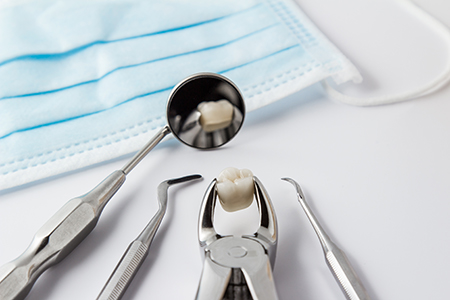
Removing a tooth is sometimes the first step in restoring function and appearance. When a tooth is lost, we discuss replacement options to prevent shifting of neighboring teeth, preserve chewing ability, and support facial structure. Treatment options vary depending on the site, bone quality, and your long-term goals.
Common restorative choices include removable dentures that restore multiple teeth, fixed dental bridges that span an empty space, and dental implants that replace the root and provide a stable foundation for a crown. Each option has different advantages; we will review which choices best meet your functional needs and aesthetic preferences.
For patients considering implants, we evaluate bone volume and overall health to determine candidacy. When implants are appropriate, they offer a durable, natural-feeling result that closely mimics a natural tooth. If implants are not suitable, we coordinate the most reliable alternative to maintain oral health and comfort.
Our practice combines experienced clinical care with modern diagnostic tools to make extractions as safe and comfortable as possible. We use current techniques and technology to plan procedures precisely and to minimize trauma to neighboring tissues. When specialist care is recommended, we make timely referrals and collaborate closely to ensure coordinated treatment.
We believe in clear, patient-centered communication: explaining the procedure, answering questions, and setting realistic expectations for recovery and long-term outcomes. This approach helps reduce anxiety and fosters better results before, during, and after treatment.
Whether you're dealing with a problematic wisdom tooth, a non-restorable molar, or a primary tooth that needs removal to support development, our team is committed to delivering respectful, skilled care tailored to your needs. For more information or to discuss your situation, please contact us.


Tooth extraction becomes necessary when a tooth is severely damaged, infected, or otherwise jeopardizes surrounding oral structures. Preservation is the primary goal, but removal is recommended when restoration would compromise function, create ongoing infection risk, or threaten neighboring teeth. Your dentist will use clinical evaluation and diagnostic imaging to determine whether extraction is the most appropriate option.
Common clinical reasons for extraction include nonrestorable decay, advanced periodontal disease with bone loss, fractures that extend below the gum line, and impacted or problematic wisdom teeth. Extractions can also be part of orthodontic planning or required when a retained primary tooth blocks eruption of a permanent tooth. The treatment plan will address how removal affects bite alignment and future restorative choices.
A simple extraction is performed on a tooth that is fully visible in the mouth and can be removed using forceps after local anesthesia. These procedures are typically straightforward and involve loosening the tooth and removing it with minimal manipulation of surrounding bone and tissue. Recovery from a simple extraction is usually quicker and less complex than surgical approaches.
Surgical extraction is indicated when a tooth is broken at the gum line, impacted, fused to bone, or otherwise inaccessible with forceps alone. This technique may require a small incision, removal of a bit of bone, or sectioning the tooth into pieces for safe removal and may involve stitches. For complex cases or advanced sedation needs, referral to an oral and maxillofacial surgeon may be recommended to ensure safety and predictable outcomes.
Preparation begins with a comprehensive review of your medical and dental history, current medications, and any conditions that could affect healing. Be prepared to share details about bleeding disorders, recent illnesses, pregnancy, and prescription or over-the-counter medications, including blood thinners, so the clinical team can plan appropriately. Diagnostic imaging such as digital radiographs or a CBCT scan may be ordered to evaluate root anatomy and adjacent structures prior to the procedure.
Follow any preoperative instructions provided by your dentist, which may include fasting instructions if intravenous sedation is planned and guidance on taking or pausing certain medications in consultation with your physician. Arrange transportation if you will receive sedation that impairs driving or decision-making. Clear communication about anxiety, prior reactions to anesthesia, or medical concerns helps the team tailor comfort and safety measures for your appointment.
Local anesthesia is routinely used to numb the extraction site and provides reliable pain control for most procedures. For patients who experience significant anxiety, have complex surgical needs, or prefer deeper relaxation, additional sedation options such as nitrous oxide (laughing gas), oral sedatives, or intravenous sedation can be discussed. The choice of sedation depends on the procedure complexity, patient health, and personal comfort preferences.
Your dentist will explain the risks and benefits of each option and obtain informed consent before proceeding. If intravenous or deep sedation is selected, specific preoperative instructions and monitoring standards are followed to maintain safety. Coordination with medical providers may be necessary for patients with certain health conditions to ensure appropriate sedation planning and post-procedure care.
The first 24–72 hours are critical for establishing a stable blood clot and controlling swelling and bleeding. You should expect some swelling, mild to moderate discomfort, and minor oozing during this time, and you will be given instructions to apply gentle pressure with gauze, use intermittent ice for swelling, and avoid activities that could dislodge the clot. Rest, limited physical exertion, and a soft diet help support initial healing and reduce the risk of complications such as dry socket.
Maintain gentle oral hygiene and avoid rinsing vigorously, using a straw, or smoking during the initial healing phase to protect the clot. After the first day or two, a mild saltwater rinse can be introduced to keep the site clean, but vigorous spitting should be avoided. If pain increases after the first few days or bleeding is heavy and persistent, contact the office promptly for evaluation.
Most extractions heal without serious issues, but possible complications include prolonged bleeding, infection, dry socket (alveolar osteitis), and delayed bone or soft-tissue healing. Dry socket typically presents as increasing pain several days after extraction and may require professional treatment to promote healing and control discomfort. Signs of infection include fever, increasing swelling, persistent or worsening pain, and a foul taste or odor in the mouth.
Contact the dental office if you experience heavy bleeding that does not slow with pressure, fever, severe or worsening pain after the initial few days, persistent swelling that increases rather than decreases, or numbness that does not resolve. Prompt assessment allows the team to intervene early, prescribe appropriate medications if indicated, and provide instructions to support recovery. Timely follow-up is especially important for patients with systemic conditions that affect healing.
Antibiotics are not routinely required for every extraction but may be prescribed when there is active infection, compromised immune function, or specific medical conditions that increase infection risk. The decision to prescribe antibiotics is based on clinical findings, medical history, and the complexity of the procedure, and when given they should be taken exactly as directed to support healing. Overuse of antibiotics is avoided to reduce the risk of resistance and adverse effects.
Pain management typically begins with over-the-counter analgesics and may include prescription medications for more severe discomfort following surgical removal. Your dentist will provide clear instructions on when and how to take pain relievers, including timing and dosing, and will discuss alternatives for patients with sensitivities or contraindications. Nonpharmacologic measures such as cold therapy, rest, and a soft diet also support comfort during the early healing phase.
Extraction is often the first step in a broader restorative plan and the removal of a tooth changes the local anatomy and long-term treatment options. Preserving bone and soft tissue at the time of extraction can improve outcomes for future replacements, and the dentist may recommend socket preservation techniques or bone grafting when appropriate to maintain ridge volume for eventual implant placement. The choice between a dental implant, fixed bridge, or removable prosthesis depends on bone quality, adjacent teeth, oral health, and long-term functional goals.
Timing for replacement varies: some implants can be placed immediately or soon after extraction, while other situations benefit from a healing period or grafting to optimize bone support. Your dentist will evaluate the extraction site, discuss restorative options, and create a coordinated plan that considers the sequence of care needed for predictable, long-term results. Collaboration between restorative dentists and specialists ensures that extraction and replacement are planned with the best possible outcome in mind.
Yes, extraction of a primary (baby) tooth can influence the eruption and alignment of permanent teeth, which is why such removals are carefully considered. If a retained primary tooth is blocking the eruption path of a permanent tooth or is nonfunctional due to root issues or decay, extraction can facilitate normal development and reduce the likelihood of more complex orthodontic problems. Timing and coordination with an orthodontist are important when space preservation or guided eruption strategies are needed.
In pediatric cases, the dentist assesses growth patterns, space requirements, and the stage of permanent tooth development before recommending removal. When appropriate, space maintainers or other adjunctive measures may be used to preserve arch integrity until the permanent tooth erupts or to support future orthodontic treatment. Clear communication with parents about expected outcomes and follow-up monitoring helps ensure healthy dental development.
The clinical team uses a combination of careful diagnosis, modern imaging, and gentle surgical techniques to minimize tissue trauma and promote efficient healing. Local anesthesia protocols, appropriate sedation options, and clear preoperative planning help control pain and anxiety during the procedure. Surgical decisions are guided by anatomy and risk assessment to reduce complications and support predictable recovery.
Postoperative instructions, scheduled follow-up, and coordination with medical providers when needed are part of a comprehensive approach to safety and comfort. At Hilton Family Dentistry, clinicians prioritize communication so patients understand what to expect and how to care for the extraction site. When specialist involvement is indicated, the practice arranges timely referrals and collaborative care to maintain continuity and high standards of treatment.

Have questions or ready to book?
Reach out to Hilton Family Dentistry today. Our team is ready to assist with scheduling and treatment inquiries via phone or our online form. Let’s start working on your smile together.
We look forward to hearing from you and making your visit as easy and comfortable as possible. Our team is committed to providing prompt responses and attentive support for all your dental care needs.
